


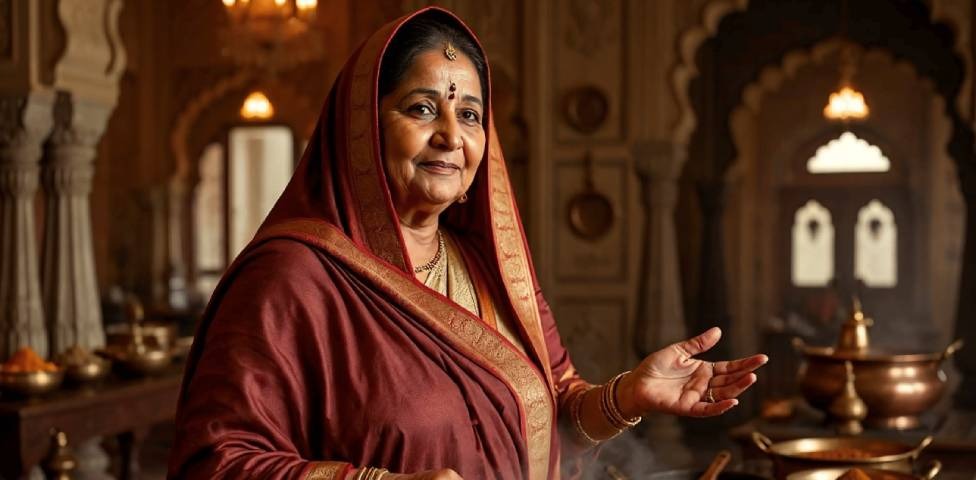
Top Tips For using barbat masala in your cooking
For centuries, the royal chefs of Gwalior guarded their culinary secrets carefully. But here's the truth they knew: great cooking isn't about complexity—it's about respecting your ingredients and understanding how to bring out their best.
Barbat Masala is a complete spice blend, crafted to deliver layers of flavor without needing a dozen other additions. But like any masterful ingredient, there's an art to using it well. Whether you're a seasoned cook or just beginning your culinary journey, these tips will help you unlock the full potential of this legendary masala.
Tip 1: Timing Is Everything
When to Add Barbat MasalaThe most common mistake? Adding your masala too early or too late.
**The Royal Kitchen Method:**Always add Barbat Masala after your onions are golden and your tomatoes have broken down into a paste. This is when the base of your curry is ready to absorb the spices.
If you add it too early, the delicate spices can burn and turn bitter. Too late, and they won't have enough time to bloom and release their oils.
**The Sweet Spot:**Add the masala when your base is simmering gently, stir for 30-60 seconds until fragrant, then add your main ingredients (vegetables, meat, or lentils).
Tip 2: Let the Spices Bloom
The Art of TemperingIn traditional Gwalior cooking, spices aren't just thrown in—they're awakened.
After adding Barbat Masala to your cooked onion-tomato base, let it cook on medium heat for at least one minute. You'll know it's ready when:
- The raw smell disappears
- The oil begins to separate from the masala
- A deep, smoky aroma fills your kitchen
This process, called "bhunao" in Hindi, is what separates good curry from great curry. It allows the spices to release their essential oils and marry with the base.
**Pro Tip:** If the masala starts sticking to the pan, add a tablespoon of water and keep stirring. This prevents burning while still allowing the spices to bloom.
Tip 3: Balance with Acidity
The Secret Finishing TouchRoyal chefs understood that great flavor is about balance. Barbat Masala brings warmth, depth, and smokiness—but every dish benefits from a touch of brightness at the end.
**After your dish is cooked, try adding:**- A squeeze of fresh lemon juice
- A dollop of yogurt stirred in at the end
- Fresh tomatoes chopped and added in the last 2 minutes
- A splash of tamarind water for tangy depth
This contrast between the rich, earthy spices and bright acidity is what makes royal recipes so memorable. It keeps your palate interested from the first bite to the last.
Tip 4: Less Is More (Until You Know Better)
Finding Your Perfect Spice LevelBarbat Masala is concentrated and powerful. A little goes a long way.
**Start with this ratio:**- 1 tablespoon of Barbat Masala per 2 servings
- Taste and adjust from there
As you become familiar with the blend, you'll develop your own preferences. Some families like their curries bolder, others prefer subtlety. There's no wrong answer—just your answer.
**Remember:** You can always add more masala, but you can't take it out. Start conservatively, taste as you go, and adjust accordingly.
Tip 5: The Overnight Secret
Patience Yields FlavorHere's something the royal cooks knew that modern kitchens have forgotten:
**some dishes taste better the next day**.When you cook with Barbat Masala and let your curry rest overnight in the refrigerator, something magical happens. The spices continue to infuse the dish, flavors deepen, and everything harmonizes.
**Best dishes for overnight resting:**- Lamb Barbat
- Chicken curry
- Rajma (kidney beans)
- Any lentil-based dal
- Aloo Matar
Simply reheat gently the next day, and you'll taste the difference. It's like the dish has matured—richer, rounder, more complete.
Tip 6: Choose Your Cookware Wisely
The Vessel MattersTraditional Gwalior cooking was done in clay pots over wood fires. While most of us don't have that luxury today, your choice of cookware still makes a difference.
**Best options:**- 1 **Cast Iron:** Retains heat beautifully, adds a subtle depth
- 2 **Heavy-Bottomed Steel:** Even heat distribution, no hotspots
- 3. **Clay Pots (if you have them):** The most traditional, imparts an earthy flavor
- Thin aluminum pans (they heat unevenly and can burn the spices)
- Non-stick for slow-cooked dishes (they don't allow proper browning)
The right pot helps you achieve that slow, even cooking that lets Barbat Masala shine.
Tip 7: Layer Your Flavors
Building ComplexityBarbat Masala is a complete blend, but that doesn't mean your dish should be one-dimensional.
**Create layers by:**- Adding whole spices at the start (bay leaf, cinnamon stick) for background notes
- Using Barbat Masala in the middle for the main flavor
- Finishing with fresh herbs (coriander, curry leaves) for brightness
Think of it like music—the whole spices are your bass notes, Barbat Masala is your melody, and fresh herbs are your high notes. Together, they create harmony.
Tip 8: Don't Fear Fat
The Role of Oil or GheeRoyal cooking was never shy about using ghee or oil—and for good reason. Fat carries flavor.
**Why it matters:**Many of the aromatic compounds in Barbat Masala are fat-soluble, meaning they need oil or ghee to fully release their flavors.
**The traditional ratio:**2-3 tablespoons of ghee or oil per 500g of main ingredient
Yes, it seems like a lot. But this is what creates that rich, restaurant-quality gravy. If you're health-conscious, you can reduce it—but understand that some of the depth will be sacrificed.
**Smart compromise:** Use the full amount while cooking, then skim some off the top before serving.
Conclusion:
The beauty of Barbat Masala is that it honors tradition while welcoming experimentation. These tips come from generations of royal cooks, but they're meant to be your starting point—not your limitation.
Cook with patience. Taste as you go. Trust your instincts.
And most importantly, enjoy the journey. Because food cooked with care and attention doesn't just feed the body—it nourishes the soul.
**Ready to put these tips into practice?**Try our Lamb Barbat recipe this weekend and taste the difference these techniques make.
Related Blog Post
-
Top Tips For Using Barbat Masala In Your Cooking
For centuries, the royal chefs of Gwalior guarded their culinary secrets carefully. But here's the truth they knew: great cooking isn't about complexity—it's about respecting your ingredients and understanding how to bring out their best.
-

The Story Behind Gwalior's Legendary Lamb Barbat
Close your eyes and imagine this: It's the 15th century. Warriors are preparing for a long campaign. They need food that travels well, cooks over an open fire, and provides strength and warmth through cold desert nights.